
Bipolar Disorder Treatment in Reading, PA
Bipolar disorder doesn't have to define you. We provide advanced, compassionate bipolar disorder treatment in Reading, PA — serving Berks County, West Reading, Wyomissing, Pottstown, Kutztown, Lebanon, and communities throughout Pennsylvania. Find stability and lasting wellness with our expert team.
Our Core BenefitsNon-Invasive
No surgery & No anesthesia
FDA Cleared
Safe & Effective Therapy
Stabilized Support
Long-term mood management
Insurance Covered
Medicare & Major Plans
Start Your Journey
Speak with our specialists about your path to recovery.
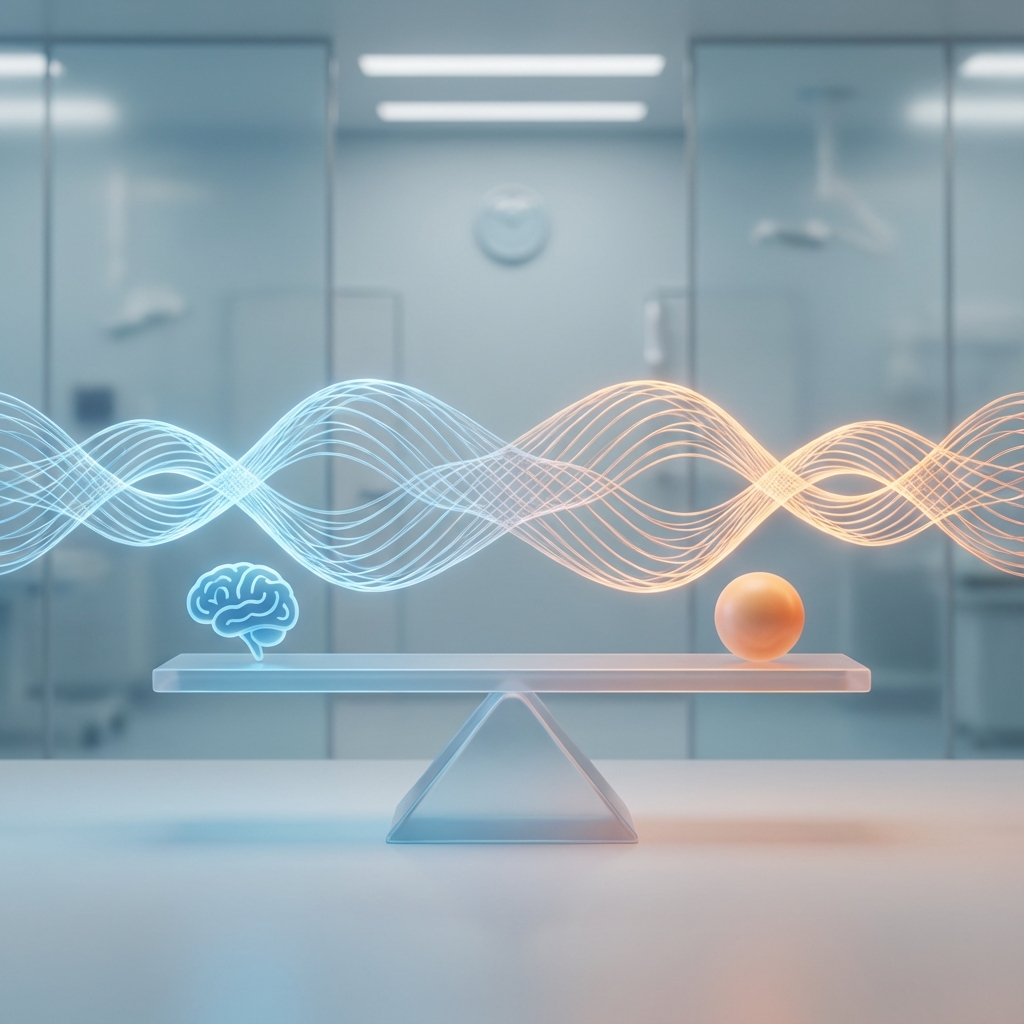
Navigating the Peaks and Valleys
Bipolar disorder is a complex neurological condition characterized by significant shifts in mood, energy, and activity levels. These shifts range from periods of extremely up behaviors (mania or hypomania) to very down periods (depression).
At Options Psychiatry, we understand that these mood swings are driven by biological factors. Our approach focuses on stabilizing the brain's neural activity, helping you find a sustainable middle ground where you can thrive.
Early Warning Signs of Bipolar Disorder
Recognizing the shifts between mania and depression early can help you manage symptoms before they become disruptive to your life and relationships.
High Energy
Feeling unusually wired, up, or extremely productive for several days.
Decreased Sleep
Feeling fully rested after very little sleep or no sleep at all.
Deep Fatigue
Sudden shifts into intense sadness, hopelessness, or lack of interest in everything.
Pressured Speech
Talking faster than usual or feeling like you can't get your thoughts out fast enough.
How Bipolar Disorder Manifests
Symptoms are divided into two main categories: Manic episodes and Depressive episodes.
Mania / Hypomania
Euphoria, excessive talkativeness, racing thoughts, impulsivity, and risky behaviors.

Depression
Low energy, sleep disturbances, feelings of worthlessness, and difficulty concentrating.
Mixed Episodes
Experiencing symptoms of both mania and depression simultaneously, which can feel highly distressing.
Types of Bipolar Disorder
Understanding your specific type is key to developing an effective long-term treatment plan.
Bipolar I Disorder
Defined by manic episodes that last at least 7 days, or by manic symptoms that are so severe that the person needs immediate hospital care.
Bipolar II Disorder
Defined by a pattern of depressive episodes and hypomanic episodes, but not the full-blown manic episodes associated with Bipolar I.
Cyclothymic Disorder
Defined by periods of hypomanic symptoms as well as periods of depressive symptoms lasting for at least 2 years.
Could TMS Therapy Help You?
Take our quick 2-minute quiz to find out if TMS therapy could be the key to your mental wellness journey.
Advanced Treatment for Mood Stability
Stability is possible. We combine traditional psychiatric expertise with evidence-based treatment approaches to help you find balance.
Our TMS (Transcranial Magnetic Stimulation) protocols can be a powerful tool for the depressive phases of bipolar disorder. By precisely targeting the areas of the brain that are underactive during depression, we can help lift your mood without the systemic side effects often associated with medication.
- Non-invasive: No surgery, anesthesia, or downtime
- Comprehensive care: Integrating medication management with advanced therapy
- Personalized: Treatment plans tailored to your specific mood cycles

Bipolar Disorder Treatment Near You in Berks County, PA
Options Psychiatry provides expert bipolar disorder treatment in Reading, PA and surrounding communities — including West Reading, Wyomissing, Pottstown, Kutztown, Lebanon, Fleetwood, Boyertown, Phoenixville, Norristown, and throughout Berks County, PA. Telehealth medication management and mood disorder care is also available across Pennsylvania.
Schedule Your Free Consultation Call (610) 741-6567 Now Explore Medication ManagementRelated Mental Health Conditions We Treat
Bipolar Disorder Care FAQ
Yes, TMS is often used to treat the depressive phase of bipolar disorder. It works by stimulating neuroplasticity in the brain's mood-regulating centers, helping to lift depression when medication alone may not be sufficient.
Bipolar disorder is typically a long-term condition, but with the right treatment—including medication, therapy, and advanced options like TMS—most people can achieve mood stability and live full, productive lives.
Mania is more severe and may require hospitalization, while hypomania is a less severe form of high mood that doesn't significantly impair functioning but is still distinct from your usual mood.